


The Ice Age and Climate Change [Podcast] | The Institute for Creation Research

The Ice Age and Climate Change [Podcast]

Most people are familiar with the concept of an ice age, a time when glaciers covered much of the earth's land surface. Secular scientists believe there were at least five major ice ages in earth history that happened over millions of years. But a straightforward reading of the Bible indicates a young age for the earth—about 6,000 years. How should Christians respond to claims that ice age evidence proves an old earth? Do the scientific data really support multiple ice ages over long time periods? And how does this fit into biblical history?

1) Hiding from God in the Multiverse

A number of secular cosmologists claim that our universe is just one of many universes that exist. Why do they say this? Is there any evidence for this claim? And how does this relate to the creation-evolution controversy?

2) The Ice Age

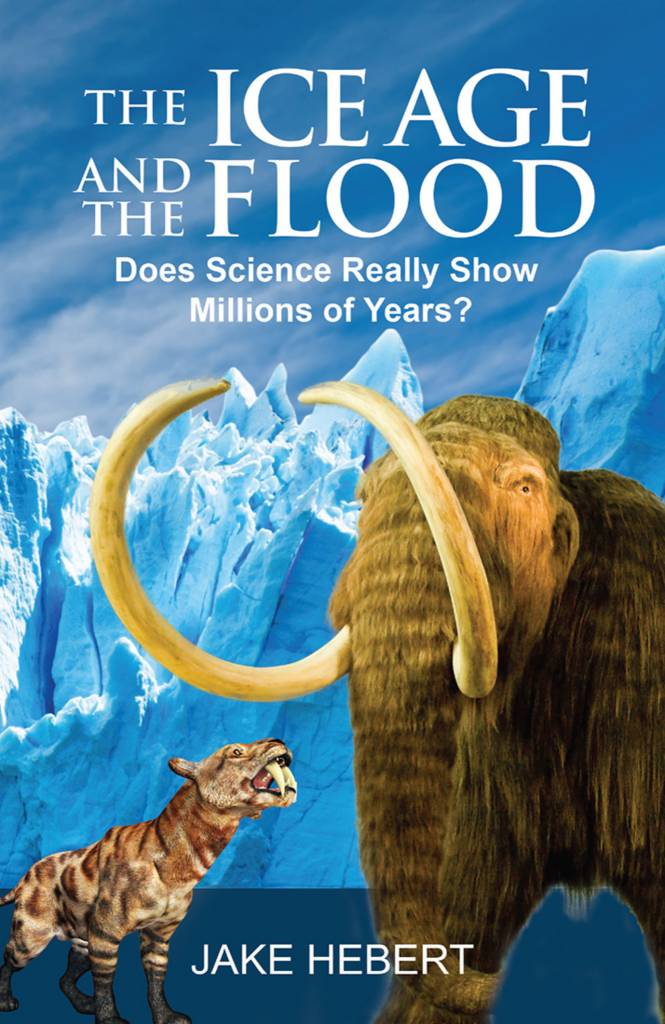
Many Christians wonder about the ice age. Was there an ice age in earth history? If so, how many were there? And how would such a dramatic climate change fit into biblical history?

3) Do Deep Ice Cores Prove an Old Earth?

Secular scientists have drilled into the thick ice sheets of Greenland and Antarctica and extracted cores that run thousands of meters deep. These scientists claim that the deepest layers are hundreds of thousands of years old. Do these ice cores really prove an old earth?

4) Genesis and Climate Change

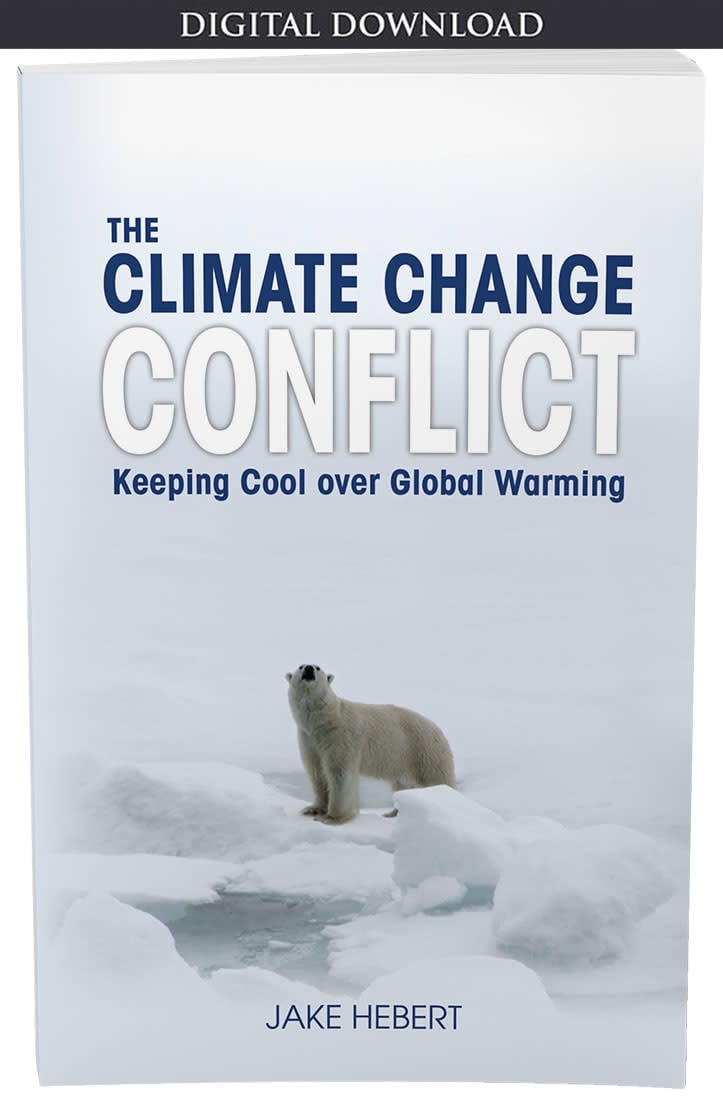
Climate change is a hot topic in the news today. Many people—including some Christians—have been concerned that the amount of atmospheric carbon dioxide could have an adverse effect on climate. Should we be worried about climate change (or global warming)? Is this a moral issue requiring legal action? What should Christians think?

5) The Mystery of Wooly Mammoths

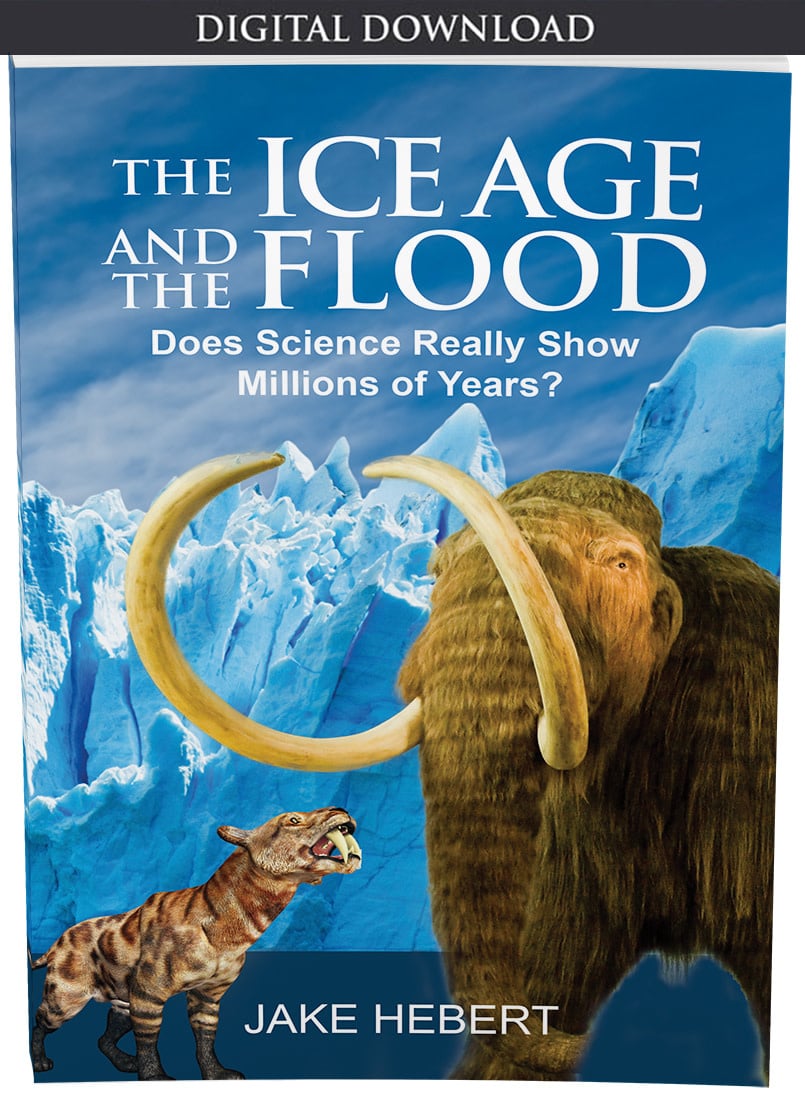
Millions of wooly mammoths once lived around the world, particularly in extremely cold places. These elephantine creatures present a major mystery for secular scientists. Why is that? How could wooly mammoths survive the frigid climate of an ice age? And where would they find a sufficient food supply?




For more radio programs, click here.

The Latest
NEWS
Hummingbird Hawkmoth Exhibits Astonishing Abilities
The incredible hummingbird hawkmoth (Macroglossum stellatarum), and other insects of the Lepidoptera order, continue to amaze entomologists.1,2...

NEWS
More Than Just Parts: The Networking of Cells
An engineer can list every part in a system and still miss how it works. Think of a radio. Its parts matter, but so does the wiring that joins them....

NEWS
Living Centenarian Sturgeon: Extreme Genesis Longevity Is Plausible
Native American oral tradition contains stories of sturgeon living for centuries. While this was largely seen as folklore among conventional scientists,...

NEWS
Brainy Bees Solve Pollen Problem
The uncanny abilities of the honeybee cause entomologists to shake their heads in wonder.1,2 Scientists have long known that honeybees...

NEWS
October Wallpaper
"Be anxious for nothing, but in everything by prayer and supplication, with thanksgiving, let your requests be made known to God; and the peace...

NEWS
Possible Ark Site Has Mainstream Media Hopping
An organization named Noah’s Ark Scans is investigating a site called Durupinar, almost 20 miles from Mount Ararat in Turkey. Could it contain...

ANNOUNCEMENTS
Heroes of Creation Science: Henry M. Morris
“The creation/evolution issue is, in a very real sense, the most fundamental issue of all.” —Henry M. Morris Many people believe the...

ACTS & FACTS
Creation Kids: Fungi
Hi, kids! We created a special Acts & Facts page just for you! Have fun doing the activities while learning about the wonderful world...

APOLOGETICS
What is True and False?
by Patrick C . Marks, D. Min., and Brian Thomas, Ph.D.* In the first article of this series, we explained that truth—that which matches reality—is...

ACTS & FACTS
The Cambrian Layer: Explosion or Burial?
The lowest sedimentary layer, rich in hard-shelled fossils, is known as the Cambrian record. Beneath it is the Precambrian, which contains far fewer...