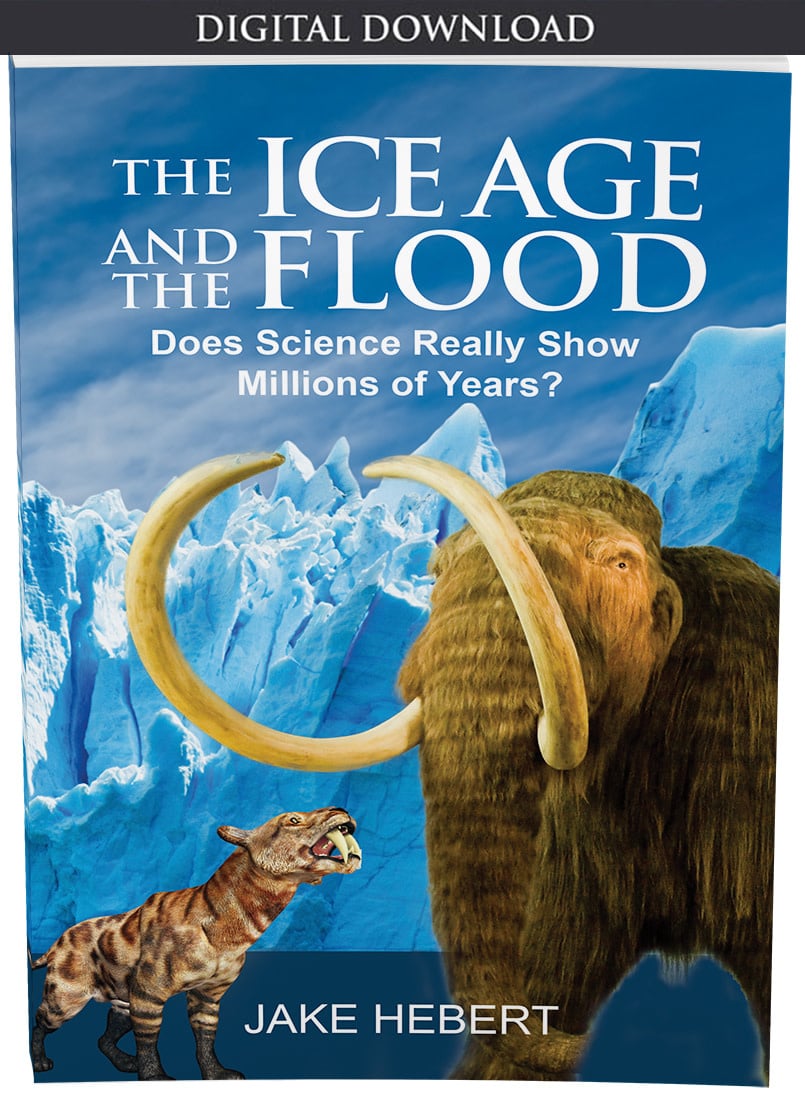



What you believe about Genesis impacts both faith and science. In this series, ICR physicist Dr. Jake Hebert unravels the mysteries of the Ice Age, hermeneutics, geological dating methods, and more. How should Christians respond to old-earth arguments? Can we view scientific research through the lens of Scripture? And how should we to respond to those who compromise the first book of the Bible?
1) Celebrating a Broken Climate "Pacemaker"
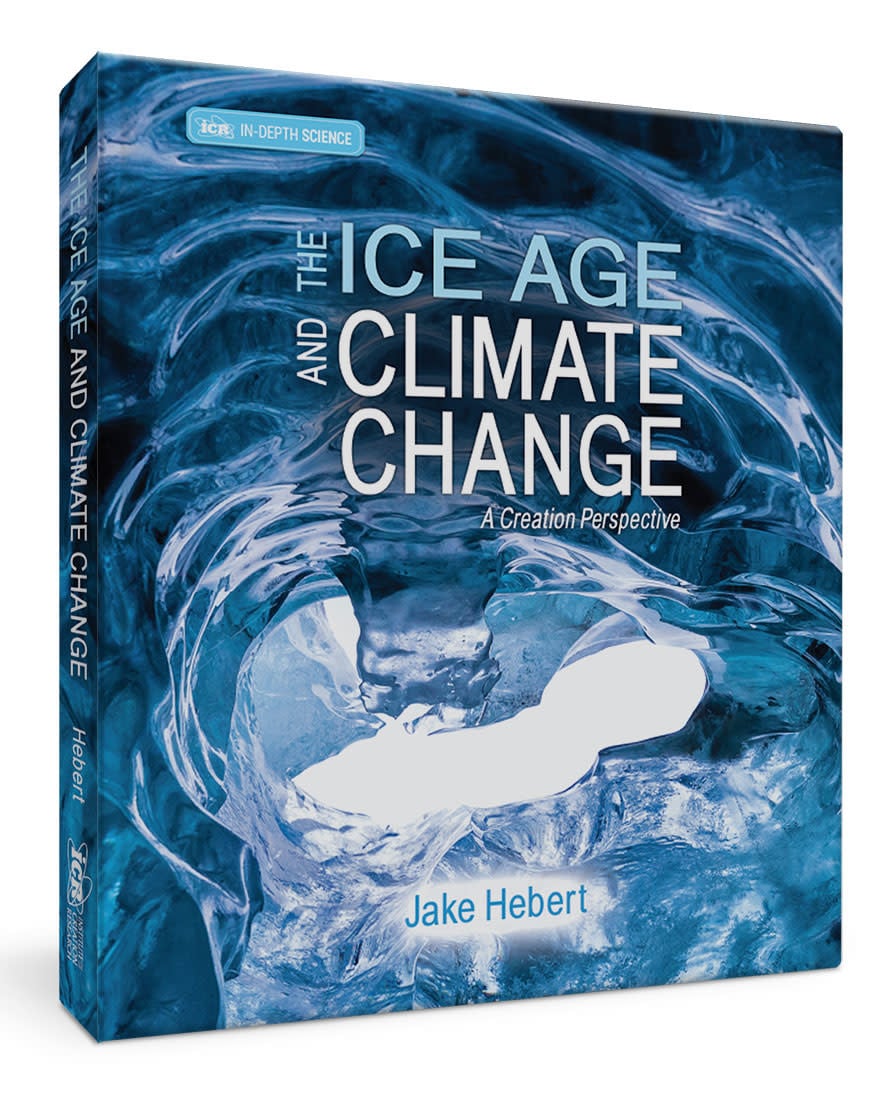
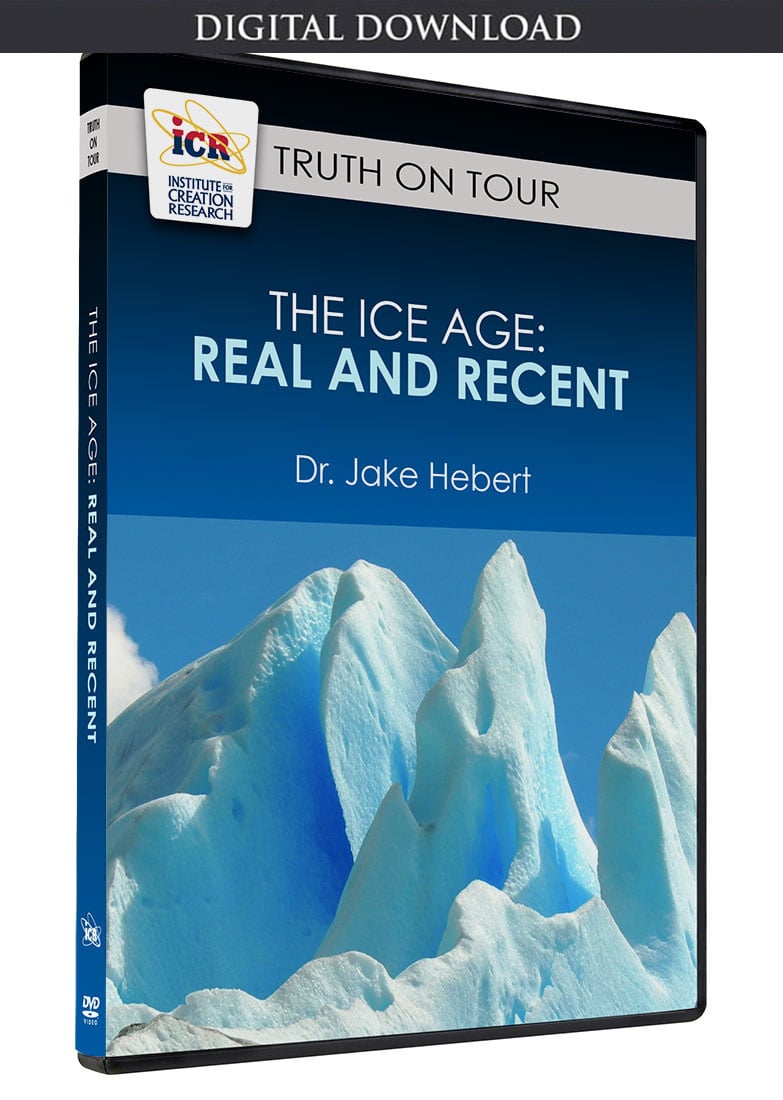
There is strong geological evidence for one ice age. Yet, secular scientists published an iconic technical paper that detailed multiple ice ages over long periods of time. Why did they miss the mark? How does science confirm the creationist position? And what major global event caused this frigid climate change?
2) How Theology Informs Science
Theology—formerly called “the queen of the sciences”—used to be held in high regard. However, skeptics like Lawrence Krauss continually make derogatory comments about theological topics. Why have many scientists discarded theology as irrelevant? Can we still find practical value in theology when conducting scientific research?
3) Genesis Compromise Unravels the Bible
Christians who accept the idea of millions of years might not be aware that they’re holding to a logically inconsistent position. How can we find clarity in the obvious tension between Genesis history and secular scientists’ claims? Should we accept Genesis 1-2 as written? Find out why our understanding of the beginning is foundational for faith in Jesus.
4) How Consistent Are Old-Earth Clocks?
One argument often made for an old earth is the professed agreement of age assignments from various dating methods. Is this “case closed” for the age-of-the-earth debate? Dig deeper and uncover the contradictions in dating methods. Discover the reasons why millions and billions of years are not scientific.
5) Refuting a Favorite Old-Earth Argument
In 2010, the BioLogos Foundation published an article that proposed “biblical and scientific shortcomings of flood geology.” Discover the background of this paper’s research, ICR scientists’ response, and solid biblical and scientific counterarguments for recent creation and the global Flood.



For more radio programs, click here.