


Does the age of the universe matter? How does science confirm the Genesis record? Why can Christians confidently trust the biblical creation worldview? ICR Science Writer Brian Thomas uncovers convincing evidence in this series. From the tiniest cells to the largest stars, both science and the Bible provide evidence that leads to a logical conclusion of a recent creation.
1) Rocks, Ice Cores, and Bill Nye
Why does Earth’s age matter? Are there better answers to the controversial methods of radioisotope dating? Is an ice core’s age simply determined by counting its layers? Brian Thomas explains why Christians need an educated response to the evolutionary stories of many geologists and media celebrities.
2) Stretchy Dinosaur Soft Tissue
Scientists have been discovering original dinosaur proteins for decades. Upon cracking open the unearthed bones, scientists have found osteocytes, collagen, and other biological materials that give us clues about dinosaur skin color. How do these discoveries transform the way scientists view Earth history?
3) Mutation Rates Debunk Human Evolution Story
According to the evolutionary story, humans evolved from an unidentified ape-like ancestor over two million years ago. But this story doesn’t line up with the Bible or scientific evidence. What can we learn from our DNA to decipher the origins debate? How does genetics support the Christian worldview of a recent creation?
4) Where Did All the People Come From?
In 2011, the United Nations reported a world population of 7 billion. How long did it take for this many humans to be born? Evolutionists proclaim an ages-long history where the human population didn’t grow at all for millions of years but suddenly and recently exploded only thousands of years ago. Is this claim backed up by real science? How can we know for sure?
5) Saturn, Enceladus, and Blue Stars
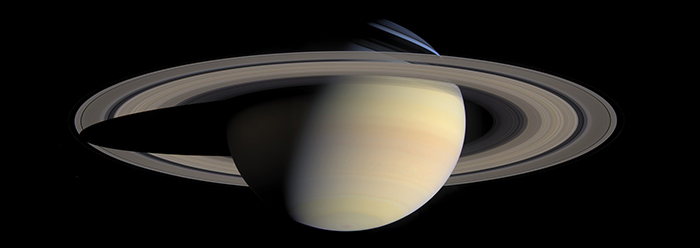
Saturn is too hot for its evolutionary age. It should’ve cooled off if it were 4.5 billion years old. What can we learn about the age of the universe from our solar system? How can biblical creationists confidently assert a young age for celestial objects like blue stars?



For more radio programs, click here.