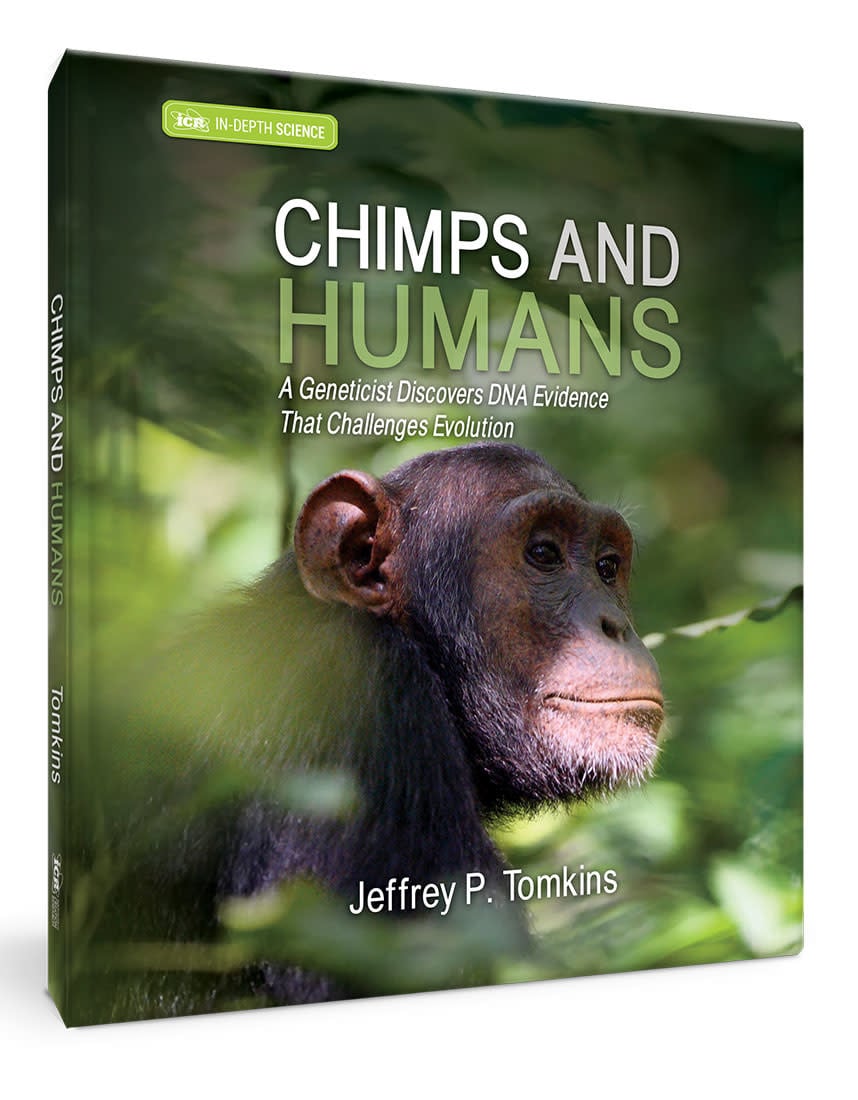



As genetic research continues, the similarity between humans and our supposed closest evolutionary ancestor, the chimpanzee, becomes more and more distant—well beyond the bounds of any evolutionary probability. But the secular world appears determined to show how chimps can behave similar to humans to bolster the failing evolutionary story.
The most recent media buzz centers on several stories in which chimps are shown grieving over a dearly departed comrade.1,2 But is this grief exclusive to humans and chimps, or do other animals display this anguished-looking behavior as well? As it turns out, the grieving process is common across the animal kingdom. In fact, scientists recently studied it among elephants.1
And although chimps and elephants are well known for their intelligence compared to other animals, grieving over the loss of an animal buddy is also common among seemingly less intelligent critters, such as birds.
- A penguin mourns the death of her chick.
- Mourning Doves care for their deceased mates.
- This bird seems literally shell shocked by the death of its mate.
- Even chickens do it, as do many other kinds of birds.
Clearly these latest secular media stories are trying to humanize chimpanzees to prop up the failing evolutionary story. These efforts are nothing more than examples of cherry-picking data from the animal kingdom that is convenient to telling the evolutionary story. We are made in God's image. An animal's grief—even a sad-faced chimp's—can't be compared to the heart-felt sorrow we experience at the death of a loved one.
References
- Balter, M. 2010. Chimps Grieve Over Dead Relatives. Science. Posted on sciencemag.org April 26, 2010, accessed May 20, 2016.
- Walker, M. 2016. Chimps filmed grieving for dead friend. BBC. Posted on bbc.com May 18, 2016, accessed May 26, 2016.
*Dr. Tomkins is Director of Life Sciences at the Institute for Creation Research and earned his Ph.D. in genetics from Clemson University.
Article posted on June 9, 2016.