



Many who study Genesis show intense curiosity about the pre-Flood world. But “the world that then existed perished, being flooded with water,” so little physical evidence remains.1 Reconstructing the pre-Flood world is like building a puzzle after all its pieces were run through a blender. However, Genesis gives us a good start.
Genesis 2:10 seems to indicate that a river flowed out of Eden and then branched into four separate rivers. If so, this might indicate divinely crafted waterways, since today’s natural drainage rivers don’t branch downstream but instead merge into larger rivers. Water presumably flowed to the pre-Flood ocean, so something must have pumped water back to Eden. Genesis also says “a mist went up from the earth and watered the whole face of the ground.”2 Perhaps heat from deep underground elevated water into ancient land-misting and river systems, now all utterly destroyed by the Flood.
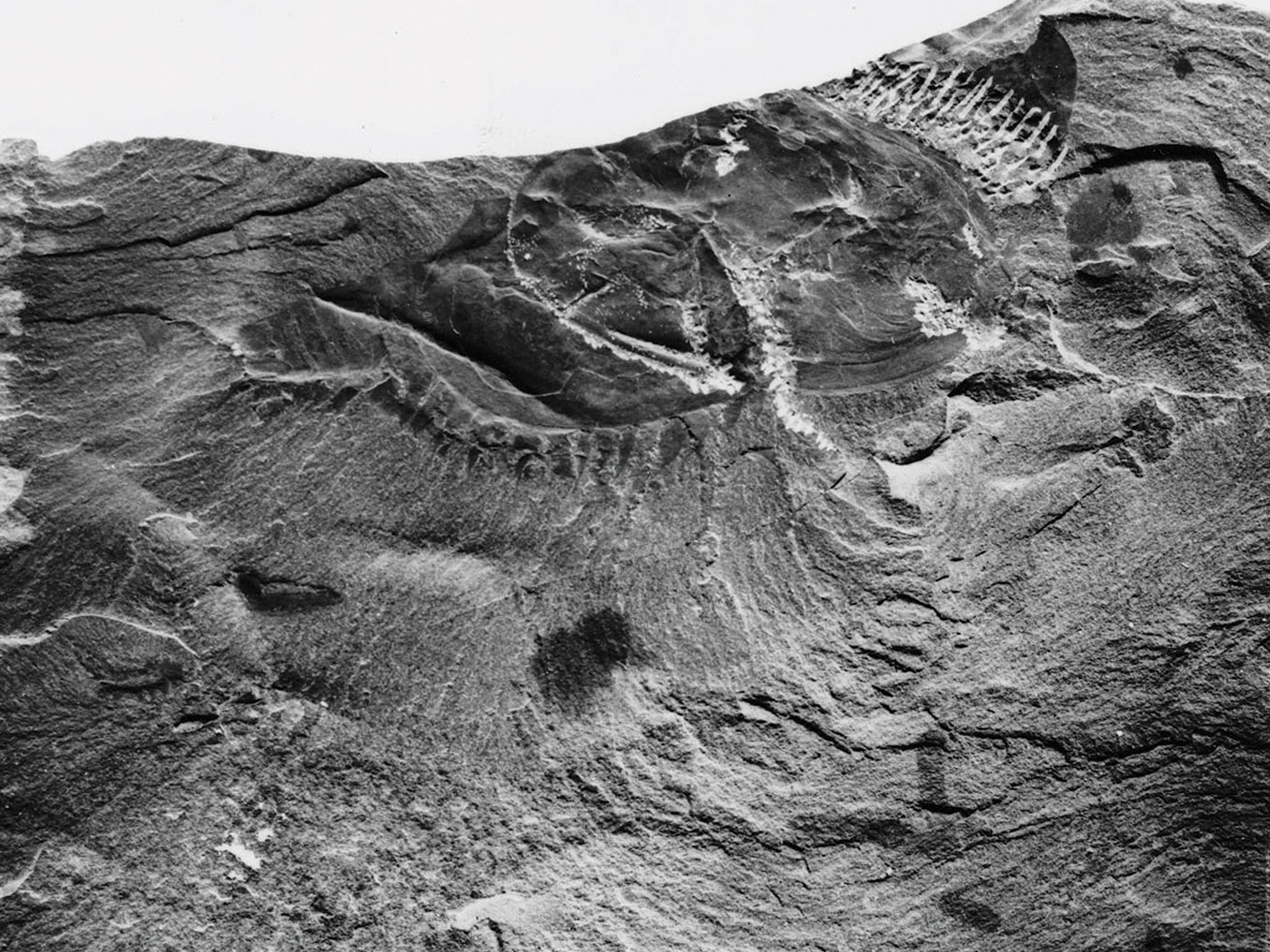
This idea of a pre-Flood hot-water pumping system might also help solve some geological mysteries. Banded iron formations extend throughout many of the lowermost sedimentary rocks. These don’t form today but hint at extensive hot water flows in the past. Also, many stromatolites occur in deep sedimentary rocks possibly deposited before the Flood. Stromatolites have sedimentary layers stacked in blob-like shapes. Though rare today, special algae form them in shallow and salty or mineral-rich waters.
Next, though Genesis 1:10 says that God organized these waters into separate seas, these may have fit into vast gulfs and bays in a single pre-Flood continent. Later, God told Noah regarding animals, “Two of every kind will come to you to keep them alive.”3 If He placed the first walking animal kinds onto a single pre-Flood continent, then they would not have to cross oceans on their way to the Ark. Scripture is not dogmatic about this, and maybe God placed copies of each kind onto separate original continents. But since the text could accommodate a single land mass, it fits with powerful geological evidence showing that today’s continents ruptured violently,4 separated rapidly,5 at times collided violently, and then slowed abruptly, all during and shortly after the Flood year.6
Animals coming to Noah also imply they encountered no impassable mountainous barriers, such as today’s Flood-formed Himalayas.7 But we know smaller mountains existed, since the Flood “waters prevailed exceedingly on the earth, and all the high hills [in the pre-Flood world] under the whole heaven were covered.”8
Earth’s rocks contain so many shallow marine fossils that we should imagine extensive shallow seas back then, unlike most of today’s deep oceans. Plus, judging by the numbers and kinds of swamp plants and animals buried with dinosaurs, the early earth must have had large swamp-like regions.9 However, at least some high ground had soil, since “Cain was a tiller of the ground.”10 Genesis 4 indicates land suitable for livestock, probably grassy, and other areas that supplied precious metals and minerals.
Over the years, creation thinkers have evaluated many pre-Flood possibilities. For example, the old ICR model of a vapor canopy capping Earth’s atmosphere has not performed well under rigorous modeling tests. Until new information arrives, we should not insist on detailed reconstructions of the pre-Flood world, but we can continue to investigate that intriguing time with a little science and a lot of Genesis.
References
- 2 Peter 3:6.
- Genesis 2:6.
- Genesis 6:20.
- Clarey, T. 2013. Hot Mantle Initiated Ocean and Flood Beginnings. Acts & Facts. 42 (8): 15.
- Austin, S. A., et al. 1994. Catastrophic Plate Tectonics: A Global Flood Model of Earth History. In Proceedings of the Third International Conference on Creationism. Walsh, R.E., ed. Pittsburg, PA: Creation Science Fellowship, Inc., 609-621.
- Satellites measure motions between continental and marine crustal plates. See Baumgardner, J. 2012. Is plate tectonics occurring today? Journal of Creation. 26 (1): 101-105.
- Baumgardner, J. 2005. Recent Rapid Uplift of Today’s Mountains. Acts & Facts. 34 (3).
- Genesis 7:19.
- Clarey, T. 2015. Dinosaur Fossils in Late-Flood Rocks. Acts & Facts. 44 (2): 16.
- Genesis 4:2.
All these references are available for free online.
* Mr. Thomas is Science Writer at the Institute for Creation Research.