


Canadian scientists have found a massive dinosaur fossil graveyard in Alberta containing so many bones that it calls into question the standard stories of slow and gradual dinosaur fossil formation. No mere river flood could account for so many casualties. So, the researchers proposed that the cause was something much more violent.
The formal description of the discovery was published in a book titled New Perspectives on Horned Dinosaurs.1 Co-editor David Eberth, Senior Research Scientist at the Royal Tyrrell Museum, stated in a museum news release, "Data from this mega bonebed provide pretty clear evidence that these, and other dinosaurs, were routinely wiped out by catastrophic tropical storms that flooded what was once a coastal lowland here in Alberta, 76 million years ago."2
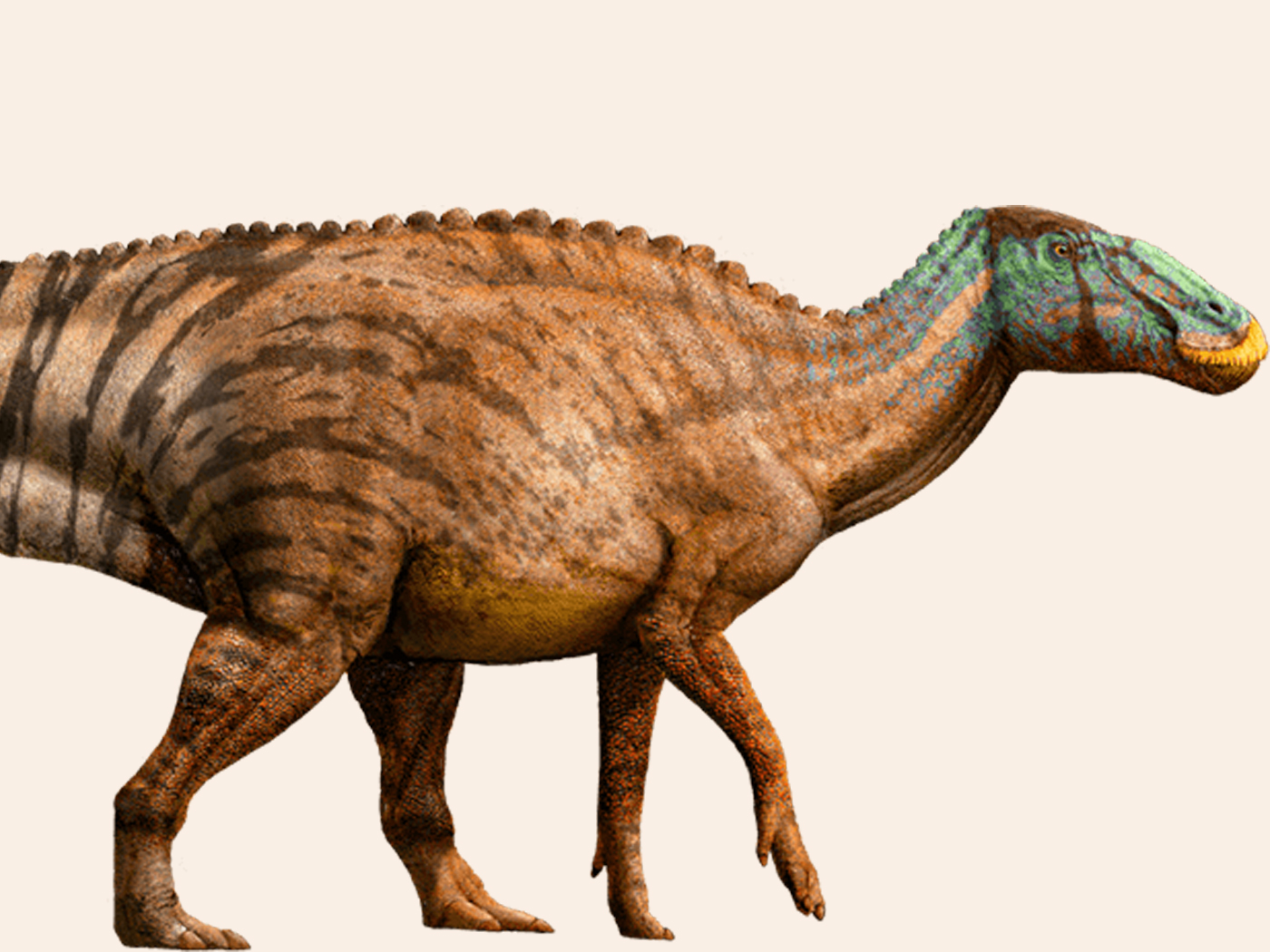
The "bonebed" covers almost a square mile and contains many Centrosaurus remains. These dinosaurs looked like the more familiar Triceratops, but had additional horns protruding from their skulls. Eberth said of the site that "the scale of the carnage must have been breathtaking" as these and other creatures tried but failed to escape the onrushing waters. Flying or swimming creatures were not fossilized en masse like the larger lumbering beasts, and the researchers reasoned that they were able to escape the overpowering waves.
But where did the water come from that could cause such mayhem? The researchers proposed a "tropical storm model," in which hurricanes must have washed water up onto a shallow coast.2 That hypothesis shares some similarities to the flood model proposed by creation scientists, but how well does each fit this fossil data?
The standard dinosaur fossilization story holds that the reptiles were crossing a stream and got caught in a rising river. But no rising streams today deposit fossil graveyards. Tropical storms, however, are known to drive water ashore and devastate landscapes, washing over whatever animals lie in their paths. The tropical storm model may be an improvement over the flooded stream scenario, but it is equally true that today's hurricane storm surges don't produce fossil graveyards either!
And warm oceans are required to generate these weather patterns, hence the term "tropical" in "tropical storm." Canada is not very tropical, and even if it was once 2,500 miles further south, any ancient tropical storm similar to today's tempests might pile up carcasses, but would not bury them deep enough to keep them from rotting before they could fossilize.
Eberth cited hurricanes as the reason why dinosaur fossils "are often found preserved so exquisitely."2 And yet "exquisite" fossil preservation is not a byproduct of even the most powerful of today's hurricanes. A more catastrophic event is needed that could carry much more sediment to deeply bury the remains and keep them from decaying. None of today's natural processes are adequate to explain the centrosaur and other fossil graveyards.
The basic description of the historical account provided in Genesis, which is corroborated by hundreds of legends,3 depicts rising waters that eventually washed over all of the earth's continents before running into today's deeper ocean basins. Such a universal deluge fits the facts of the Canadian mass kill with the fewest logical leaps.
It makes more sense to interpret this fossil graveyard as a result of one of the many tsunami-like waves that gradually pulsed over the continents during the course of the year-long Flood event, when "the waters prevailed exceedingly upon the earth; and all the high hills, that were under the whole heaven, were covered."4
References
- Ryan, M. J., B. J. Chinnery-Allgeier and D. A. Eberth, eds. 2010. New Perspectives on Horned Dinosaurs. Bloomington, IN: Indiana University Press.
- Alberta Dinosaur Bonebed Is Largest ever Found. Royal Tyrrell Museum news release, June 17, 2010.
- Hoesch, W. 2008. The Hualapai and the Flood. Acts & Facts. 37 (1): 16.
- Genesis 7:19.
* Mr. Thomas is Science Writer at the Institute for Creation Research.
Article posted on July 13, 2010.