



Recently a growing pain in my side forced me into the Urgent Care facility at the hospital. Several tests ensued, including an ultra-sound look at my gallbladder. Here in this small potato-sized organ could be seen a solid gallstone, about the size of a jalapeño pepper. I was told it had completely blocked the exit duct and had to be removed. Not just the offending stone, but the entire gallbladder. Both doctor and nurse assured me, "It doesn't matter, it's a useless organ."
Well, I'm not particularly up on human anatomy, and in fact knew little about the gallbladder, but I have investigated similar arguments made for the appendix. Evolutionists have for decades claimed the appendix is a "vestigial organ," a useless evolutionary leftover from our animal ancestry. In fact, just one hundred years ago nearly 200 organs and structures in the human body were thought to be vestigial, a claim even used as "proof" of evolution in place.
But now we know of uses for each one. There are no "vestigial organs." The appendix is recognized to play an important role in the immune system, particularly in childhood. We can survive without it, but clearly it is a useful, functioning organ, and we are better off to keep it. There are times when it can get blocked or infected, and must be removed, but if healthy, it's best left in place.
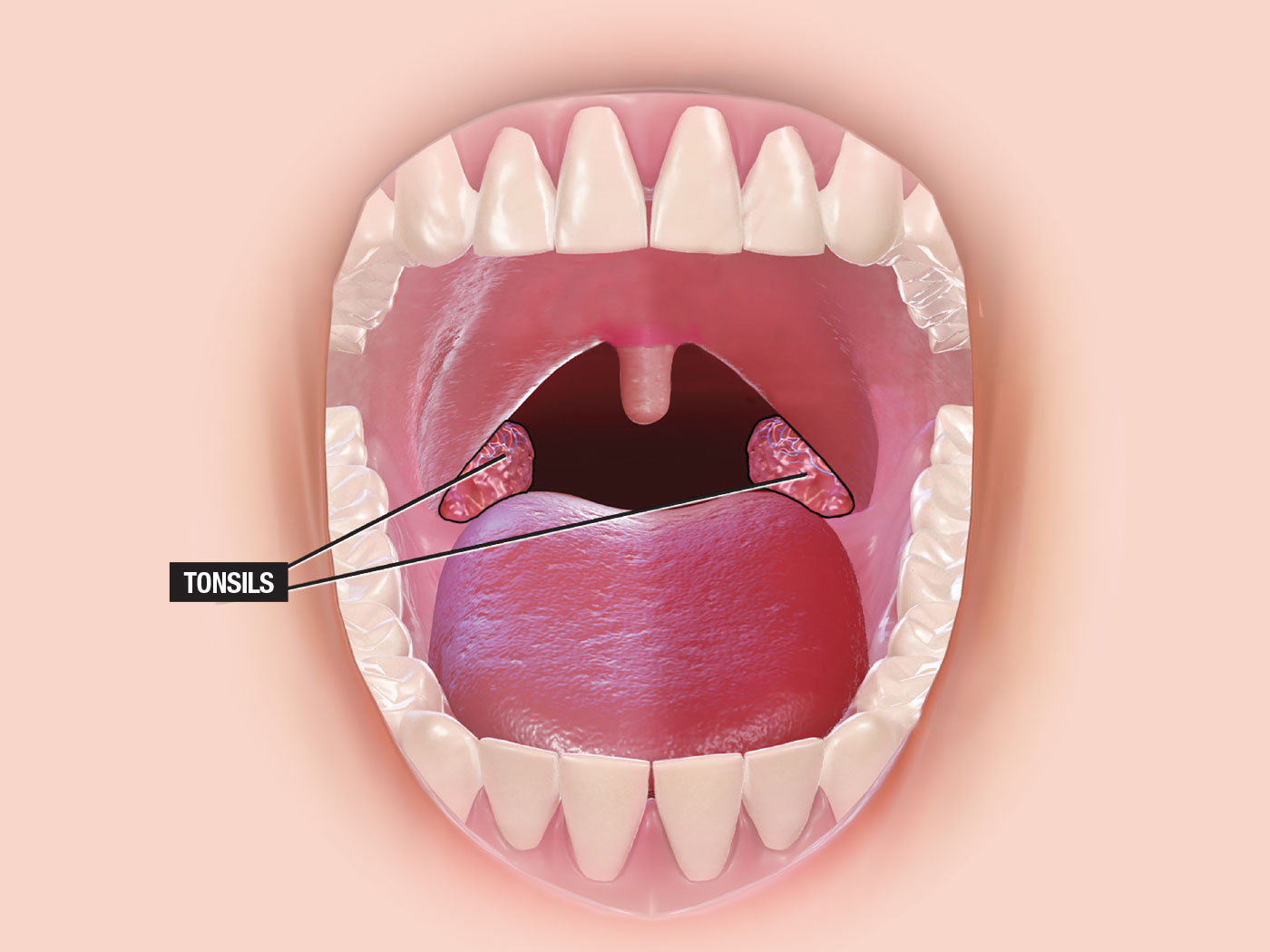
Other organs or features once thought to be "useless" include wisdom teeth, tonsils, the thymus gland, the "tail bone," the little toe . . . would a person be better off without these? Of course not! Does their presence prove evolution? Hardly.
The gallbladder serves as a bridge between the liver (which produces bile necessary for the digestion of fats) and the small intestine, where the digestion occurs. The gallbladder stores the bile and parcels it out as needed. If the bladder is removed, it doesn't impair the production of needed bile, only its concentration and timed release into the small intestine. Dilute bile merely oozes in continually. A person can function quite adequately without the gallbladder under normal conditions, but it's better to keep it. Mine was infected and damaged and is now gone, and I haven't missed it . . . but I wonder.
The wise Creator God designed our bodies to cope under a variety of circumstances. Ever since sin entered the perfect creation and all systems began to deteriorate, sometimes things don't perform optimally. Thankfully there are back-up systems for many organs, like the gallbladder. The Creator intended us to survive in this fallen world, and here we see the evidence.
Whenever we hear words like "that's a useless organ," we should recognize them as a product of evolutionary thinking. Often such claims are merely repeats of foundless evolutionary tales heard since elementary school.
The Creator designed things well—nothing is useless. Even if an organ becomes "useless," we can be confident that it was once good, and even if we can't find its present function we can be sure it has (or had) one. The same could be said for organs and structures in plants and animals. God doesn't make junk, and that's the "Back to Genesis" truth.
Cite this article: Morris, J. 2005. Does the Gallbladder Have a Necessary Function? Acts & Facts. 34 (2).