



Animal migrations occur all over the earth among many types of creatures, with some winged creatures (birds and insects) making the most extreme and lengthy ones. Among insects, the globe skimmer dragonfly (Pantala flavescens) is exceptional—being able to fly up to 3,730 miles across the open ocean. Scientists are finally beginning to unravel the required specificity behind the anatomical, behavioral, and metabolic complexity that enable this amazing feat.1
Strong evidence has implied the extreme migration of the globe skimmer dragonfly across the daunting ocean expanse between the Maldives off the coast of India to East Africa. However, the small size of the creature (which is only about 1.77 inches long with a wingspan of just a little over 3 inches) seemed to present problems at first due to the inherent limitations of the insect’s ability to store enough energy reserves. In other words, its gas tank did not appear big enough to hold the fuel needed to make the long journey.
In this new study, a group of researchers first derived a baseline by determining the insect’s specific metabolic characteristics. Then they calculated how long it could stay airborne using the maximum energy stored in its body, such as fat reserves.1 And because other flying creatures like birds depend heavily on wind patterns, they also calculated weather models to see if available seasonal wind patterns in the migration route could facilitate the open ocean flight in both directions.
The scientists discovered a flight model that would allow successful open ocean migration—one that combined active wing flapping with gliding and took advantage of seasonal wind patterns. In fact, there was a strong behavioral requirement for the dragonfly to select favorable wind patterns. The researchers also discovered that the specialized metabolism and physiological endurance of the dragonfly also played a key role in the migration, making it all possible.
Extreme creature traits, like this daunting open ocean migration of thousands of miles, boggle the human mind and utterly defy evolutionary interpretations regarding the dragonfly’s origins. How could random chance mythical processes result in the perfect combination of anatomy, physiology, and behavioral adaptations needed for this creature to succeed in this amazing endeavor? The only logical inference we can make is that this incredible engineering was built into these dragon flies by an omnipotent Creator, the Lord Jesus Christ.
Reference
1. Hedlund, J. et al. Unraveling the World’s Longest Non-stop Migration: The Indian Ocean Crossing of the Globe Skimmer Dragonfly. Frontiers in Ecology and Evolution. 2021 (9): 525. DOI: 10.3389/fevo.2021.698128.
* Dr. Tomkins is Director of Research at the Institute for Creation Research and earned his Ph.D. in genetics from Clemson University.
Open Ocean Dragonfly Migration Boggles the Mind
More Living Creatures Were Clearly Designed
Fast-Changing Cactus Flowers Still Point to Design
Cactus flowers have a striking range in size—they can be smaller than a grain of rice or longer than a school ruler. Such variation points to...
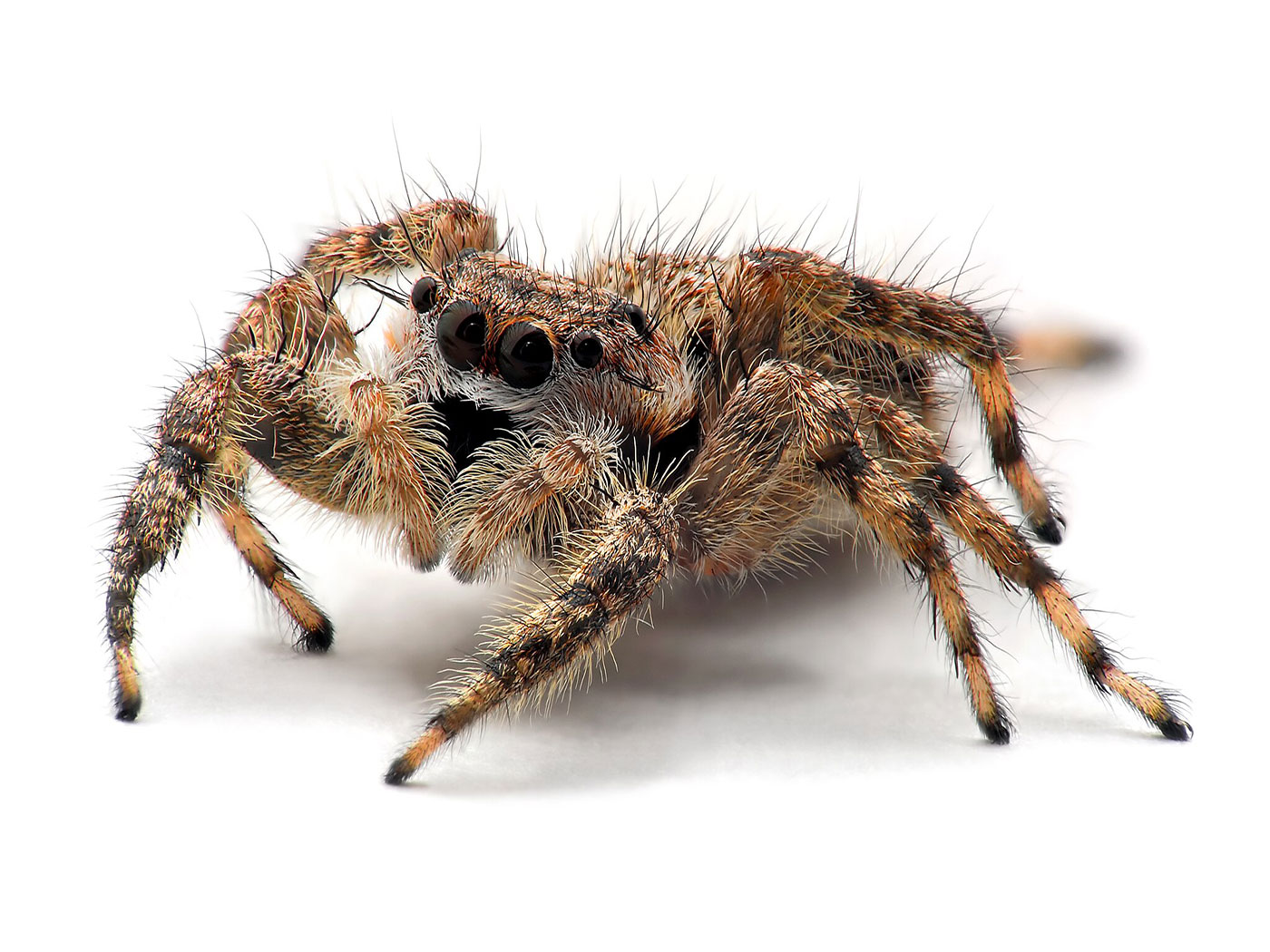
Arachnid Origin—WGD (What God Did)
Where did spiders (arachnids) come from? What was their origin? Clearly, the fossil record shows spiders have always been spiders1,2 along...

Criticizing a Perfectly Engineered Eye: Evolutionists H.,.
Updated and modified from Guliuzza, R. J. 2016. Major Evolutionary Blunders: Evolutionists Can’t See Eye Design. Acts & Facts. 45 (10): 16–18.
Robert...
More Creation Science Update

Another Sea Scorpion
There are few animals more nightmarish than an 8-foot sea scorpion. Although, they were not true scorpions, their fossils display a menacing and formidable...
Sand Dollar Secrets
Combing the sea shore for shells is a beloved activity of all ages. Sand dollars are one of the most prized treasures found at the beach. The off-white...
Spider Silk Properties Ideal for Nerve Repairs
Big doesn’t always mean strong. Most of the time, strength comes from what something is made of. The proteins forming spider silk make that silk...
The Latest
Watching PBS: Don’t Think Too Hard About the Brain’s Origin!
This past summer, the British Broadcasting Corporation (BBC) addressed the subject of origins in the five-part television series Evolution.1...
The Engineering Behind Every Heartbeat
The human heart does not beat like a perfect clock. The time between beats changes as the body breathes, moves, rests, and reacts to the world around...
Blood Vessels: Built to Sense and Respond to Force
Blood vessels do more than carry blood. As tissue grows or heals, new vessels must form in the right place and direction, through a process called angiogenesis....
Hummingbird Hawkmoth Exhibits Astonishing Abilities
The incredible hummingbird hawkmoth (Macroglossum stellatarum), and other insects of the Lepidoptera order, continue to amaze entomologists.1,2...
More Than Just Parts: The Networking of Cells
An engineer can list every part in a system and still miss how it works. Think of a radio. Its parts matter, but so does the wiring that joins them....
Living Centenarian Sturgeon: Extreme Genesis Longevity Is Plausible
Native American oral tradition contains stories of sturgeon living for centuries. While this was largely seen as folklore among conventional scientists,...
Brainy Bees Solve Pollen Problem
The uncanny abilities of the honeybee cause entomologists to shake their heads in wonder.1,2
Scientists have long known that honeybees...

October Wallpaper
"Be anxious for nothing, but in everything by prayer and supplication, with thanksgiving, let your requests be made known to God; and the peace...
Possible Ark Site Has Mainstream Media Hopping
An organization named Noah’s Ark Scans is investigating a site called Durupinar, almost 20 miles from Mount Ararat in Turkey. Could it contain...
ANNOUNCEMENTS
Heroes of Creation Science: Henry M. Morris
“The creation/evolution issue is, in a very real sense, the most fundamental issue of all.” —Henry M. Morris
Many people believe the...
Shop Related Products




The Fossils Still Say No
$29.99