


Evolutionary scientists are continually searching for evidence of the “first life” on Earth. Their most recent claim involves well-preserved stromatolite fossils from Australia. Stromatolites are finely laminated biomats formed by colonial cyanobacteria—a complex type of photosynthetic bacteria. Fossil stromatolites are found in mounded structures similar to modern stromatolites. The fossils aren’t composed of the bacteria themselves, but by unique sediment-trapping mats formed by the biological activity.
Publishing in the journal Geology, Raphael Baumgartner, from the Australian Centre for Astrobiology, University of South Wales, and his colleagues claimed to have uncovered definitive proof of biological activity in rocks from the Dresser Formation of Western Australia.1 They further assert that these fossils are the oldest evidence of life on Earth as they are found in rocks that have been dated by secular methods to be 3.5 billion years old.1
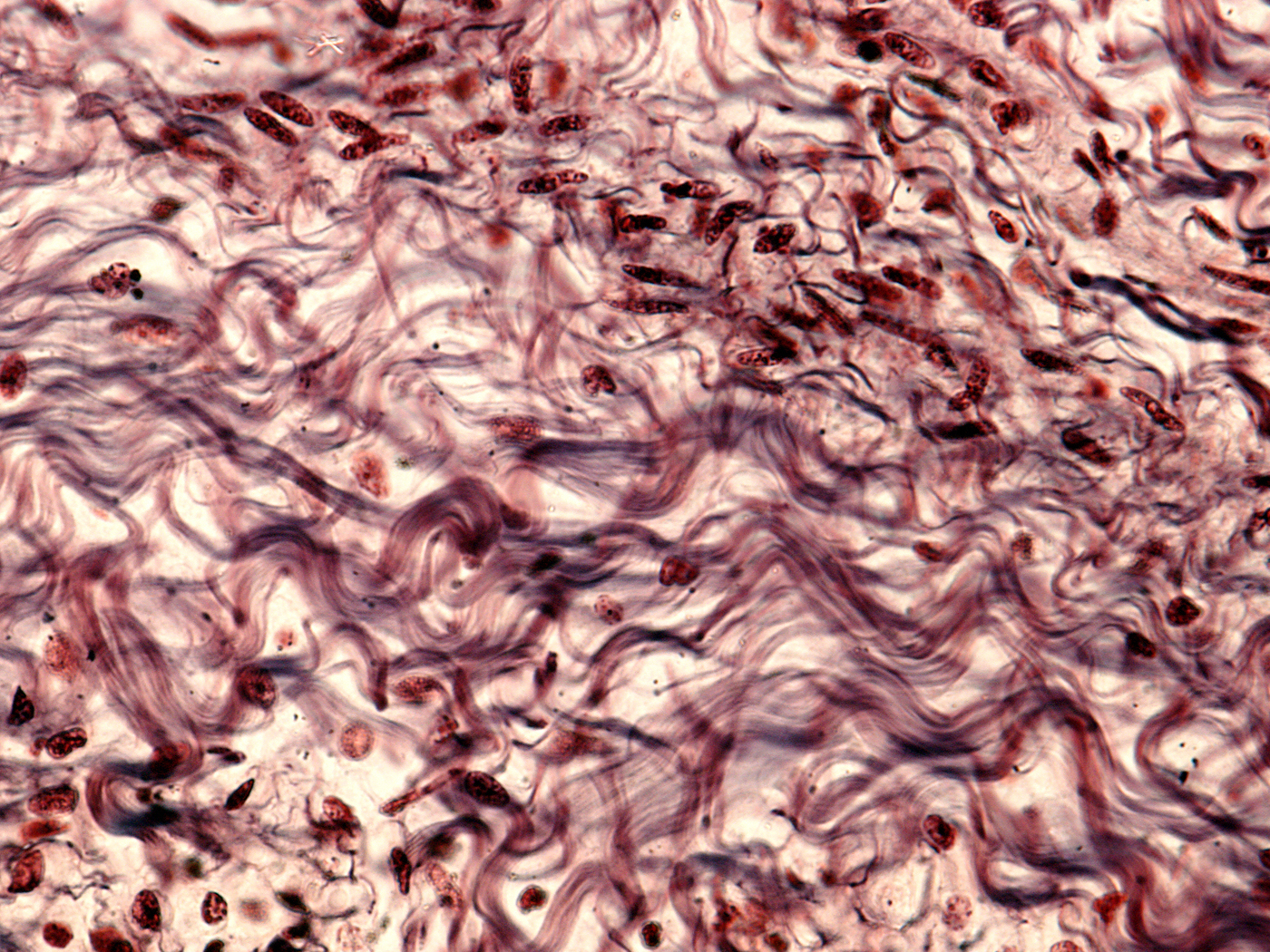
Unexpectedly, they even found organic matter—soft tissue—preserved as strands of filaments within the fossils. Baumgartner explained,
Exciting, but the claimed evolution of stromatolites about 3.5 billion years ago creates a significant problem for evolutionary scientists in terms of the timing of the origin of life on Earth. How could cyanobacteria have evolved so quickly? Life would have had to originate and develop the ability to photosynthesize and colonize in about a billion years, assuming Earth is around 4.55 billion years old as they have alleged.3
Flood geologists dispute the great ages for these rocks, noting that the radioisotope dates used to date them are flawed by insurmountable assumptions.4 And the discovery of the preserved organic material also indicates a much younger age for these fossils—one that fits the biblical timeline.
Creation scientists believe God created stromatolites as part of His original biome on Day 3 of Creation Week. It’s no surprise we find numerous stromatolite fossils still preserved and buried beneath Flood sediments in many of the pre-Flood rocks of the world—Archean and many Proterozoic rocks—including the rocks in Western Australia.5
Stromatolites apparently proliferated in unique pre-Flood environments, fed by hydrothermal springs, and grew extensively during the 1,650 years or so between Creation and the Flood. Furthermore, creation scientists have proposed that the catastrophic nature of the Flood reshaped Earth’s surface sufficiently to destroy most of the pre-Flood environments where stromatolites formerly thrived.6
Today, stromatolites only exist in specialized environments and are considered another example of a “living fossil.”5 Although secular science claims these organisms are around 3.5 billion years old, they show no evidence of evolution. They are the same today as in the past. Stromatolites support a recent creation and a recent Flood.
References
1. Baumgartner, R. J. et at. 2019. Nano-porous pyrite and organic matter in 3.5-billion-year-old stromatolites record primordial life. Geology: doi/10.1130/G46365.1
2. Starr, M. 2019. A Mind-Blowing Study Just Confirmed Earth Had Living Organisms 3.5 Billion Years Ago. Posted on sciencealert.com on September 26, 2019, accessed September 30, 2019.
3. Clarey, T. 2018. Stromatolites: Evidence of Pre-Flood Hydrology. Acts & Facts. 47 (5): 10-12.
4. Cupps, V. 2019. Rethinking Radiometric Dating: Evidence for a Young Earth from a Nuclear Physicist. Dallas, TX: Institute for Creation Research.
5. Clarey, T. 2018. Stromatolites by Land and by Sea. Creation Science Update. Posted on ICR.org January 22, 2018.
6. Purdom, G. and A. A. Snelling. 2013. Survey of Microbial Composition and Mechanisms of Living Stromatolites of the Bahamas and Australia: Developing Criteria to Determine the Biogenicity of Fossil Stromatolites. In Proceedings of the Seventh International Conference on Creationism. M. Horstemeyer, ed. Pittsburgh, PA: Creation Science Fellowship.
*Dr. Clarey is Research Associate is at the Institute for Creation Research and earned his doctorate in geology from Western Michigan University.